Quick Answer
- Yes, buying property in Dubai is a strong investment for US investors with a 3 to 5 year minimum horizon.
- Average gross rental yields of 6 to 12 per cent significantly outperform the 2 to 4 per cent typical in US cities like New York.
- Dubai charges zero annual property tax, zero capital gains tax, and zero rental income tax at the emirate level.
- Studio and one-bedroom apartments in JVC and Dubai Land deliver the strongest yields, ranging from 8 to 9 per cent.
US citizens must still report Dubai rental income. Every American investor researching Dubai eventually asks the same direct question. Is buying property in Dubai a good investment, or is the hype outrunning the substance?
The honest answer requires real numbers, not enthusiasm. Many US investors get lost comparing headline yield percentages without factoring in costs, taxes, and risk.
This guide gives you the complete data-driven verdict, comparing Dubai directly against US market benchmarks, so you can decide with confidence rather than guesswork.
The Real Yield Numbers
The strongest argument for buying property in Dubai as a good investment starts with hard yield data, not marketing language. Numbers from across multiple Dubai communities tell a consistent story for US investors.
Yield by Community
Rental yields vary meaningfully by area, and understanding this range is essential before drawing any conclusion about whether buying property in Dubai is a good investment for your specific budget. According to current market data, Jumeirah Village Circle delivers gross yields of 7.2 to 8.2 per cent on apartments, with studios performing strongest at the top of that range. Property in Dubai Land, a large and rapidly growing residential district, delivers comparable yields of 8.0 to 8.6 per cent across studio and one- and two-bedroom apartments.
Furthermore, smaller, more affordable units consistently outperform larger units on percentage yield. Studio apartments in both JVC and Dubai Land deliver the strongest returns relative to purchase price, while three and four-bedroom units in the same communities often show no published rental yield data at all, reflecting weaker investor demand at that size and price point.
Yield Comparison
The table below summarises current gross rental yield data across key Dubai communities relevant to US investors evaluating entry points.
| Community | Property Type | Avg. Sale Price (AED) | Gross Rental Yield |
| Jumeirah Village Circle | Studio | 693,000 | 8.2% |
| Jumeirah Village Circle | 1-Bedroom | 1.1 Million | 7.4% |
| Jumeirah Village Circle | 2-Bedroom | 1.7 Million | 7.2% |
| Dubai Land | Studio | 672,000 | 8.6% |
| Dubai Land | 1-Bedroom | 1.1 Million | 8.3% |
| Dubai Land | 2-Bedroom | 1.7 Million | 8.5% |
As a result, the data shows a clear pattern. Smaller units in accessible communities consistently deliver the highest percentage returns, making them the most efficient entry point for US investors focused on yield over prestige.
Dubai vs US City Yields
To answer whether buying property in Dubai is a good investment, real context, comparing against US benchmarks is essential. According toKnight Frank’s global residential research, rental yields in major global cities including London and New York typically average between 2 and 4 per cent. Dubai’s 6 to 8 per cent average, climbing to 9 to 12 per cent in top-performing freehold zones, represents a meaningfully different return profile.
On the other hand, this yield gap is not a temporary anomaly. It reflects Dubai’s zero property tax structure, lower entry prices relative to comparable global cities, and sustained tenant demand from a growing expatriate population. For US investors comparing a USD 200,000 allocation, the difference between a 3 per cent US yield and an 8 per cent Dubai yield is USD 10,000 in additional annual gross income on identical capital.
The yield data is compelling on its own. However, a complete investment verdict requires weighing tax treatment and total cost alongside raw income performance.

Tax and Cost Factors
Yield numbers only tell part of the story. To properly evaluate whether buying property in Dubai is a good investment, US investors must factor in the full tax and cost picture on both sides of the Atlantic.
Zero UAE Tax
Dubai imposes no annual property tax, no capital gains tax on sale proceeds, and no income tax on rental earnings at the emirate level. This structure has been in place since the UAE opened freehold ownership to foreigners and shows no sign of changing. Additionally, government initiatives including the UAE Golden Visa have made the market increasingly accessible to foreign investors seeking long-term residency alongside their investment.
For comparison, a US investor holding a comparable rental property domestically faces an average annual property tax of 1.1 per cent, plus federal capital gains tax of 15 to 20 per cent on any sale profit. On a USD 300,000 property generating a sale gain of USD 100,000, that federal capital gains liability alone runs USD 15,000 to USD 20,000. Dubai charges zero UAE tax on that same gain.
Transaction Cost
A complete answer to whether buying property in Dubai is a good investment must account for upfront transaction costs, which run higher than typical US closing costs. Total one-time costs for Dubai property purchases reach approximately 7 to 8 per cent of the purchase price, covering the DLD transfer fee, agent commission, and registration charges.
| Cost Item | Amount |
| DLD Transfer Fee | 4% of purchase price |
| Agent Commission | 2% of purchase price |
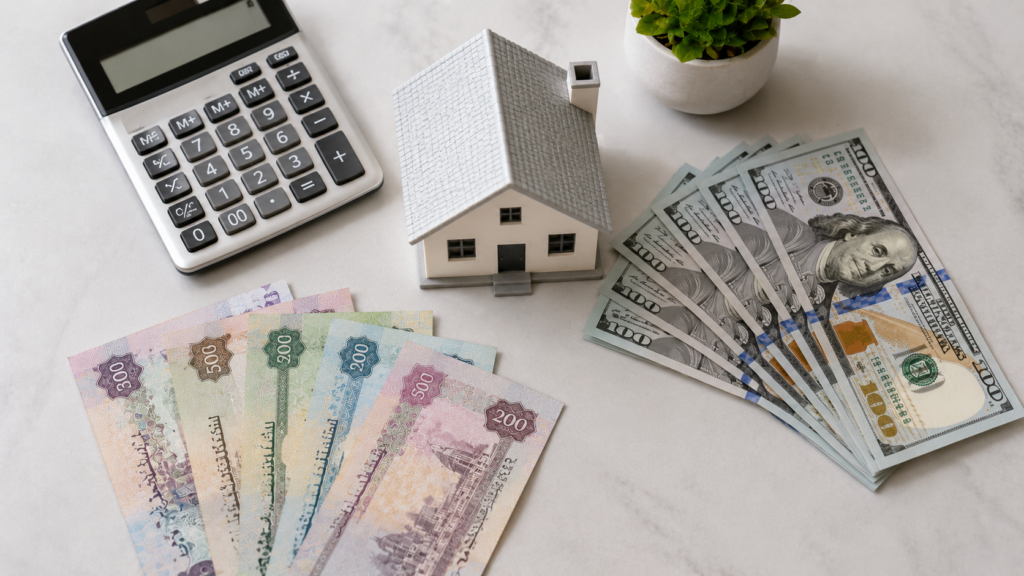
| Trustee Office Fee | AED 4,200 (approx. USD 1,145) |
| Registration Fee | AED 4,000 (approx. USD 1,090) |
For example, on a USD 250,000 property, total transaction costs run approximately USD 17,500 to USD 20,000. Most importantly, these costs are one-time and disclosed upfront, with no hidden government surcharges appearing after purchase.
US Reporting Requirements
The UAE side of the equation is genuinely tax-free. However, US citizens must report all worldwide income to the IRS, including Dubai rental earnings. This does not eliminate the financial advantage, but it does require proper planning. Allowable deductions, including management fees, service charges, and depreciation, meaningfully reduce the taxable amount.
Furthermore, if a UAE bank account exceeds USD 10,000 at any point during the year, FBAR filing with the US Treasury becomes mandatory. These are manageable compliance steps, not barriers, when handled with a CPA experienced in foreign property income. For a full breakdown of what Americans owe, see our guide on property tax in Dubai for foreigners.
Tax and cost factors clearly favour Dubai on a net basis for most US investors. The structural drivers behind this performance are worth understanding before committing capital.
Why Does Dubai Perform Well?
Beyond yield and tax data, is buying property in Dubai is a good investment depends on whether the underlying demand drivers are sustainable or temporary. The evidence points strongly toward structural, not speculative, growth.
Population Growth Driver
Dubai’s population continues expanding steadily, driven by professionals, entrepreneurs, and international businesses relocating to the emirate. A significant share of residents are expatriates who prefer renting due to career mobility, creating a consistently large tenant base across nearly every community type. As a result, occupancy rates in well-located freehold zones remain strong year over year.
This is fundamentally different from speculative housing booms driven by short-term flipping activity. Genuine population growth and tenant demand underpin both rental performance and long-term capital values, making the investment case more durable for buy-and-hold US investors.
Infrastructure Investment
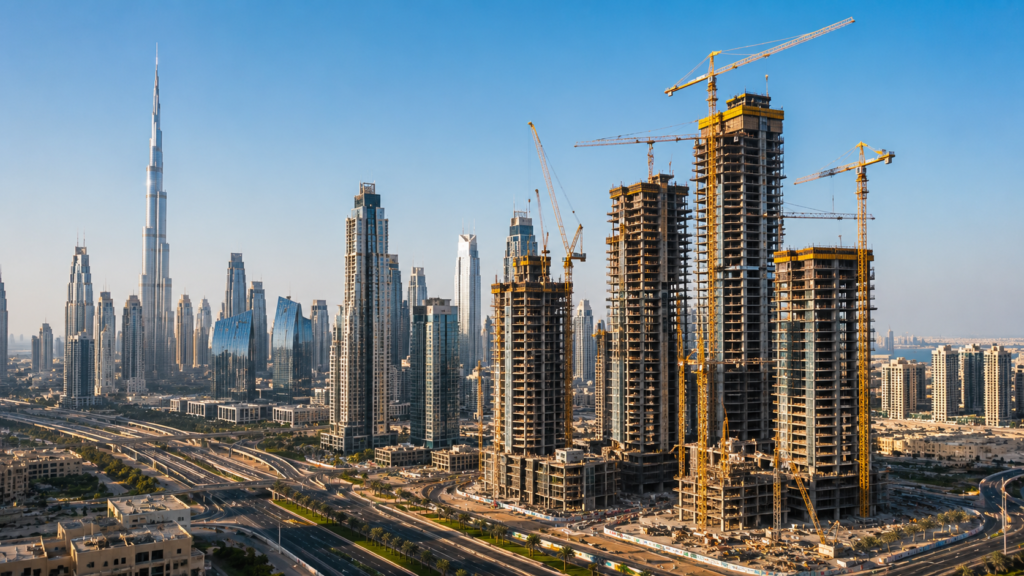
Major infrastructure initiatives continue strengthening Dubai’s investment case. The expansion of Al Maktoum International Airport and the continued development of Expo City Dubai are driving long-term employment and population growth in surrounding districts. New transportation networks and expanding business hubs further reinforce real estate demand in both established and emerging communities.
For US investors, these infrastructure commitments represent multi-year demand catalysts rather than short-term promotional activity. Emerging zones positioned near these developments, including Dubai South and Dubai Land, offer entry prices that have not yet fully reflected the coming infrastructure dividend.
Investor-Friendly Policy
Government policy in Dubai consistently favours foreign property investors. The Golden Visa program allows eligible investors to secure extended UAE residency tied directly to their property purchase. Additionally, RERA regulation and DLD escrow protections give US buyers a level of legal security that compares favourably to many domestic and international markets alike.
This combination of policy support, tax efficiency, and regulatory transparency is precisely why buying property in Dubai is a good investment consistently returns a favourable answer for informed American buyers, provided they approach the market with the correct due diligence and realistic time horizon.
Structural demand drivers support a positive long-term outlook. The final consideration is matching the right property type and area to your specific investment goals.
Choosing the Right Property
Not every property in Dubai delivers the same return. Answering whether buying property in Dubai is a good investment for your specific situation requires matching property type and location to your investment objective.
Property Type Matters
Smaller units consistently outperform larger units on percentage yield across nearly every property in Dubai community. Studios and one-bedroom apartments often deliver returns between 7 and 10 per cent, driven by lower entry prices and strong tenant demand from young professionals and expatriates. Larger villas and luxury units typically offer stronger long-term capital appreciation, but with comparatively lower rental yield due to their higher purchase price.
For example, investors prioritising immediate cash flow tend to favour studio and one-bedroom units in communities like JVC and Dubai Land. Investors prioritising long-term capital growth and lifestyle appeal often look toward villa communities or branded residences instead.
Top Performing Areas
The strongest current performers for US investors combine accessible entry pricing with sustained yield strength. Jumeirah Village Circle and Dubai Land both deliver yields above 8 per cent on entry-level units. Established villa communities provide strong long-term stability and amenity-rich environments that support consistent occupancy.
| Area | Best Property Type | Typical Yield Range |
| Jumeirah Village Circle | Studio, 1-Bed | 7.2 to 8.2% |
| Dubai Land | Studio, 1-Bed, 2-Bed | 8.0 to 8.6% |
| Business Bay | 1-Bed, 2-Bed | 7 to 9% |
| Dubai Marina | 1-Bed | 7 to 9% |
Every project across these communities is presented at the Dubai Property Expo, where verified developers provide real pricing and current yield data in person.
Matching Goals to Strategy
The right answer to whether buying property in Dubai is a good investment ultimately depends on your specific objective. Investors targeting maximum cash flow should focus on studio and one-bedroom units in JVC or Dubai Land. Investors targeting long-term capital appreciation alongside steady income should consider Dubai Marina, Business Bay, or emerging waterfront developments like Dubai Creek Harbour.
For a complete area-by-area breakdown including USD entry pricing, see our guide on buying property in Dubai for US investors. Matching property type to your specific financial goal is the single most important decision in determining your real investment outcome.
Your Verdict and Next Step
Is buying property in Dubai a good investment for American investors in 2026? The data answers clearly yes, provided you approach the market with the right information and the right professional support. Gross yields of 6 to 12 per cent across multiple proven communities, zero UAE property tax, and strong structural demand drivers combine to create a return profile that few markets globally can match.
The risks, including transaction costs, US tax compliance, and area selection, are real but entirely manageable with proper due diligence. None of them outweighs the fundamental income and growth advantage that property in Dubai consistently delivers for investors with a genuine three to five-year horizon and the discipline to choose the right area and property type.
Register today at dubaipropertyexpousa.com and take the next step toward a Dubai investment built on real numbers, not guesswork.

Frequently Asked Questions
Is buying a property in Dubai a good investment for Americans?
Yes, buying property in Dubai is a good investment for US investors with a minimum three- to five-year horizon. Average gross rental yields of 6 to 8 per cent, climbing to 9 per cent or higher in top-performing communities, significantly outperform the 2 to 4 per cent typical of major US and global cities. Combined with zero UAE property tax and a dollar-pegged currency, the risk-adjusted return profile consistently favours Dubai for investors who apply proper due diligence and work with RERA-licensed developers.
What is considered a good rental yield in Dubai?
A rental yield between 6 and 8 per cent is generally considered strong across Dubai’s residential market. Several emerging and affordable communities, including Jumeirah Village Circle and Dubai Land, regularly exceed this range, delivering 8 to 9 per cent on studio and one-bedroom units. Properties above 9 per cent typically reflect either particularly strong tenant demand or below-market entry pricing, both of which are favourable signals for investors evaluating whether buying property in Dubai is a good investment for their specific budget.
Which property type generates the highest ROI in Dubai?
Studio and one-bedroom apartments consistently deliver the highest percentage rental yields across most Dubai communities, typically ranging from 7 to 10 per cent. This is driven by their lower purchase price relative to rental income and strong demand from young professionals and expatriates. Larger villas and luxury units generally offer stronger long-term capital appreciation but lower percentage yield due to significantly higher entry prices, making property type selection a critical factor in any investment decision.
Can foreigners invest in property in Dubai as Americans?
Yes. US citizens can purchase property in any of Dubai’s 60-plus designated freehold zones with full legal ownership rights and no nationality-based restrictions. No UAE residency or local sponsor is required. All transactions are regulated by RERA, with buyer funds protected through government-supervised escrow accounts. For a complete legal breakdown specific to American buyers, see our guide on US citizens buying property in Dubai in 2026.
Does buying property in Dubai still make sense in 2026?
Yes. Strong population growth, ongoing infrastructure investment including the Al Maktoum International Airport expansion, and continued government support through programs like the Golden Visa all point to sustained demand through 2026 and beyond. Combined with consistently higher yields than comparable global cities and zero UAE property tax, the data continues to support that buying property in Dubai is a good investment, with a sound question and a favourable answer for well-informed, properly structured US investors.