Dubai real estate is everywhere in 2026. Your LinkedIn feed, your financial podcasts, your investing groups. But is it actually the right move for an American investor, or is it just well-marketed hype?
The truth sits somewhere more nuanced than either extreme. Buying property in Dubai comes with genuine, measurable advantages that most US markets simply cannot match. It also comes with real considerations that every American investor needs to understand before committing a dollar.
This guide gives you both sides, honestly. No promotional spin, no fear-mongering. Just the information you need to make a clear decision.
The Pros of Buying Property in Dubai as a US Investor
The financial case for Dubai is built on facts, not feelings. Here is what the data actually shows.
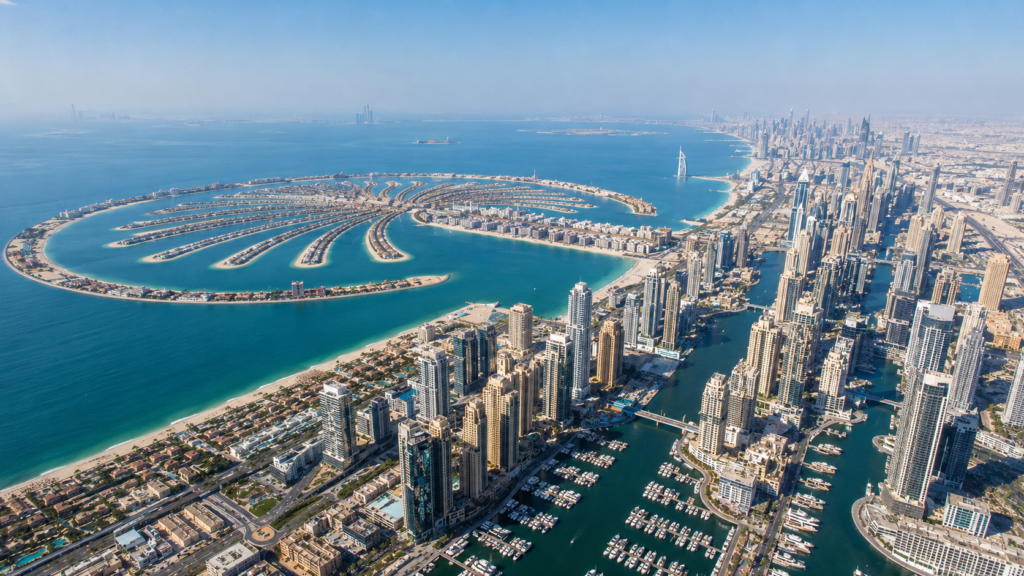
Pro 1: Rental Yields That Beat the US Market
This is the number that stops most American investors in their tracks. Residential property in Dubai delivers average gross rental yields of 8 to 12 percent annually, depending on the area and property type.
Compare that to the US national average. According to recent market data, average residential rental yields in major US cities sit between 4 and 6 percent. In premium markets like New York, Miami, and San Francisco, yields compress further due to high purchase prices.
Buying property in Dubai from the USA means your capital can work significantly harder. A USD 200,000 investment generating a 10 percent yield produces USD 20,000 per year in gross rental income. The same capital in a US market at 5 percent produces half of that.
Pro 2: Zero Property Tax in the UAE
The UAE levies no annual property tax, no capital gains tax on property sales, and no income tax on rental earnings. This is not a temporary incentive. It is baked into the UAE’s economic model and has been in place for decades.
For US investors comparing buying property in Dubai against a rental property in Texas, Florida, or California, this is a meaningful difference. Even in low-tax US states, property tax, depreciation recapture, and state income tax can erode a significant portion of your returns.
One important clarification: US citizens must still report worldwide income to the IRS. UAE rental income is taxable in the USA. However, allowable deductions and the Foreign Tax Credit can reduce your effective US tax burden considerably. A qualified CPA can structure this correctly.
Pro 3: The USD-AED Currency Peg Removes Exchange Rate Risk
When American investors consider buying property overseas, currency risk is usually near the top of the concern list. A strong dollar can erode returns when you repatriate rental income or sale proceeds.

Dubai removes this concern entirely. The UAE Dirham has been pegged to the US Dollar at a fixed rate of 3.67 AED per USD since 1997. That peg has held through multiple global financial crises, including 2008, the COVID-19 period, and recent global inflation cycles.
Buying property in Dubai is effectively buying a dollar-denominated asset with UAE legal protections. This is a rare combination in international real estate.
Pro 4: Capital Appreciation Has Been Substantial
According to data from the Dubai Land Department, residential property values in areas including Dubai Marina, Downtown Dubai, and Business Bay have seen appreciation exceeding 40 percent over the past three years.
For US investors who entered the market in 2021 or 2022, the capital growth story has been compelling. While past performance does not guarantee future returns, Dubai’s population growth, infrastructure expansion, and continued foreign investment inflows create strong structural demand for housing.
Pro 5: Flexible, Interest-Free Payment Plans
This is something that catches most first-time investors off guard. Dubai developers, particularly those you will meet at the Dubai Property Expo, offer structured interest-free payment plans that stretch across the construction period and beyond.
A typical plan might look like 10 percent on booking, 40 percent during construction, and 50 percent on handover. Some post-handover plans extend up to five years after you receive the keys.
For US investors, this means you can acquire a significant Dubai asset without a large upfront capital commitment and without touching a mortgage product of any kind.
Pro 6: UAE Golden Visa Through Property Investment
Investors who purchase property above the AED 2 million threshold (approximately USD 545,000) qualify to apply for a 10-year UAE Golden Visa. This renewable residency visa does not require full-time UAE residence.
The Golden Visa opens UAE banking access, allows family sponsorship, and gives you a legitimate second residency in one of the world’s most strategically located countries. For Americans exploring international diversification, this adds a layer of value that goes beyond pure financial returns.
The Cons of Buying Property in Dubai as a US Investor
A trustworthy guide gives you both sides. Here are the genuine considerations every American investor should weigh before buying property in Dubai.
Con 1: US Tax Reporting Adds Complexity
The UAE may have zero property tax, but the IRS does not care where your income is earned. As a US citizen, you must report rental income from your Dubai property on your annual US tax return, regardless of whether you repatriate the funds.
This adds a layer of administrative complexity. You will need a CPA or tax attorney who understands foreign property income, FBAR filing requirements if you hold a UAE bank account, and potentially Form 8938 for reporting foreign financial assets above certain thresholds.
This is manageable, and many thousands of Americans already navigate it successfully. However, it is a real ongoing obligation that adds cost and time to property ownership.
Con 2: Distance Makes Active Management Difficult
Buying property in Dubai from the USA means you cannot easily inspect your asset, deal with a difficult tenant, or oversee a renovation. The time zone difference between major US cities and Dubai ranges from 8 to 11 hours, which makes real-time communication challenging.
Most US investors solve this by engaging a professional property management company in Dubai. Management fees typically range from 5 to 10 percent of annual rental income. This is a real cost that affects your net yield and must be factored into your calculations.
Con 3: Off-Plan Risk Exists, Though It Is Regulated
A significant portion of Dubai property investment is purchased off-plan, meaning before the building is complete. Off-plan purchases offer the best pricing and payment plan flexibility, but they carry construction risk.
Delays happen. Projects occasionally experience setbacks. In rare cases, developments have stalled entirely, though RERA’s escrow protections limit your financial exposure in these scenarios.
If you are uncomfortable with any construction uncertainty, you can focus on completed, ready-to-move-in properties. They carry no construction risk but generally command higher prices and offer less payment plan flexibility.
Con 4: Liquidity Is Lower Than US Assets
Buying property in Dubai is an illiquid investment by nature. Unlike a US stock or ETF, you cannot sell your Dubai apartment in 30 seconds. The sale process takes weeks and involves DLD transfer procedures, agent fees, and the time needed to find a qualified buyer.
Compared to US real estate, Dubai resale liquidity is broadly similar. But compared to paper assets like REITs or index funds, Dubai property requires a longer investment horizon. You should only commit capital you will not need access to for at least three to five years.
Con 5: Service Charges Are an Ongoing Cost
Dubai properties carry annual service charges that cover building maintenance, security, common areas, and facilities. These charges vary widely depending on the development, typically ranging from AED 10 to AED 30 per square foot per year.
On a 700 square foot apartment, you could be looking at AED 7,000 to AED 21,000 per year (approximately USD 1,900 to USD 5,700). This is a recurring cost that reduces your net rental yield and must be planned for in your investment analysis.
The Honest Verdict
Buying property in Dubai stacks up well for US investors who are seeking higher yields, international diversification, and a stable, dollar-linked asset outside the US system.
The advantages are structural and measurable: 8 to 12 percent yields, zero UAE tax, USD-AED peg stability, and a clear legal framework backed by government regulation. These are not temporary promotions. They are features of the Dubai market.

The considerations are real but manageable: US tax compliance, remote management costs, off-plan risk, and reduced liquidity. None of these is a deal-breaker for an informed investor. They are simply factors to plan around.
For the right American investor, with a three to five-year minimum horizon and the right professional support in place, Dubai real estate represents a compelling case in 2026.
Frequently Asked Questions
Is buying property in Dubai safe for Americans?
Yes. Dubai has a well-established legal framework for foreign property ownership. The Dubai Land Department registers all transactions, and RERA regulates developers and escrow accounts. American buyers have the same legal protections as any other foreign investor.
How does buying property in Dubai compare to buying in the US?
Buying property in Dubai typically offers higher gross rental yields (8 to 12 percent versus 4 to 6 percent in the US), zero UAE property and capital gains tax, and no currency risk due to the USD-AED peg. The trade-offs are distance management and US reporting obligations.
Can I finance a Dubai property purchase from the USA?
Yes. UAE banks offer non-resident mortgages up to 50 percent loan-to-value. Alternatively, most developers offer interest-free installment payment plans that remove the need for bank financing entirely. Many US investors prefer the developer payment plan route.
What is the best area in Dubai to buy property for rental income?
Areas popular with US investors for strong rental yields include Dubai Marina, Jumeirah Village Circle (JVC), Business Bay, and Dubai South. Each has different entry prices and tenant profiles. Advisors at the Dubai Property Expo can match you to the right area based on your budget and yield expectations.
Do I need a UAE residency visa to buy property in Dubai?
No. US citizens do not need UAE residency to purchase property in Dubai. However, buying property in Dubai above the AED 2 million threshold makes you eligible to apply for a 10-year UAE Golden Visa, giving you optional long-term residency rights.
Ready to Take the Next Step?
Buying property in Dubai is one of the most discussed investment moves among US investors in 2026, and the data support the interest. Yields of 8 to 12 percent, zero UAE property tax, a dollar-pegged currency, and access to the UAE Golden Visa create a genuinely strong case for American portfolio diversification.
The best way to move from research to real decisions is to meet verified developers face to face, compare real projects, and get real pricing.
Register for the next Dubai Property Expo in your city at dubaipropertyexpousa.com and see the opportunity for yourself.